
Conditions We Treat
Knee Pain Treatment
Find relief. Restore movement. Get back to what you love.
Knee pain can make walking, climbing stairs, exercising, or getting up from a chair uncomfortable. Whether your symptoms developed gradually or began after an injury, identifying the cause is the first step toward finding the right treatment.
At ReVive Orthopedics Spine & Sports Medicine, our team provides personalized knee care ranging from conservative treatment and joint injections to genicular nerve blocks, radiofrequency ablation, and orthopedic surgery when appropriate.
Schedule an Appointment
Understanding Your Symptoms
What Causes Knee Pain?
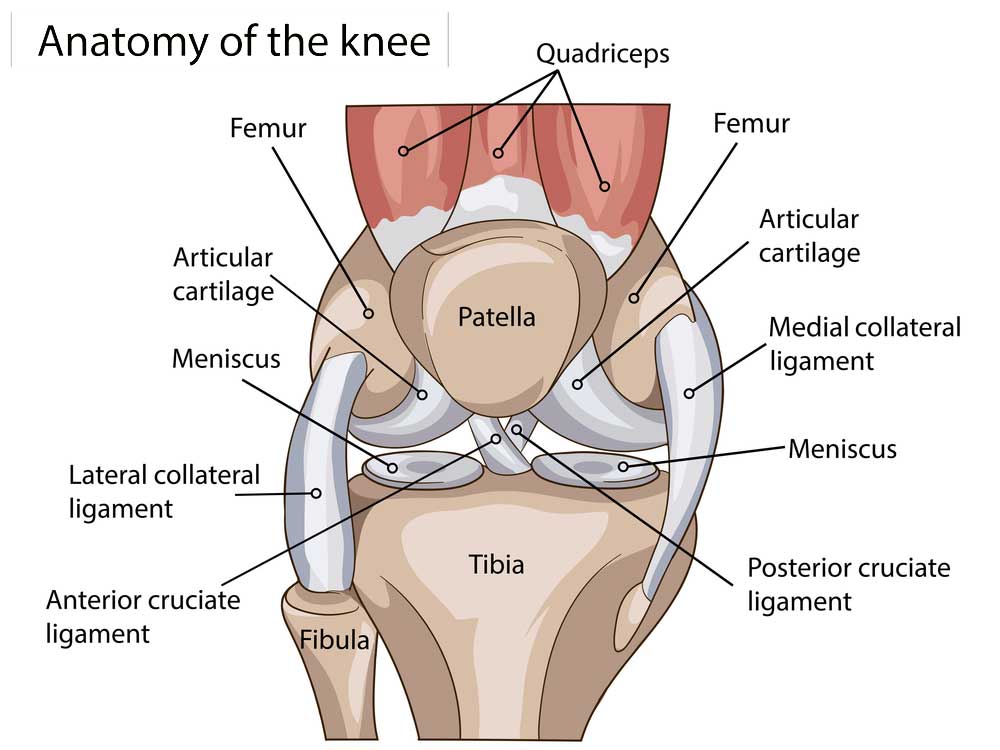
The knee is a complex joint made up of bones, cartilage, ligaments, tendons, muscles, and other supporting structures. Pain can develop when these structures become injured, irritated, inflamed, or damaged over time.
Some knee problems begin after a sports injury, fall, or accident. Others develop gradually from arthritis, repetitive activity, or age-related changes. Because different conditions can produce similar symptoms, an evaluation can help determine what is causing your pain.
Signs & Symptoms
Common Knee Pain Symptoms
Symptoms vary depending on the condition and the structures involved. Common concerns include:
Common Conditions
Conditions That Can Cause Knee Pain
Knee pain may result from arthritis, injury, overuse, or damage to the structures that support and stabilize the joint.
- Knee osteoarthritis
- Meniscus tears
- ACL and other ligament injuries
- Patellofemoral pain
- Tendinitis
- Bursitis
- Cartilage injuries
- Sports injuries
- Sprains and strains
- Previous knee injuries or trauma
Diagnosis
Finding the Cause of Your Knee Pain
Your evaluation begins with a review of your symptoms, activity level, medical history, previous treatments, and recent or past knee injuries. Your provider will examine the knee for tenderness, swelling, range of motion, strength, and stability.
Depending on your symptoms and examination, testing may include X-rays, MRI, or other studies. Not every patient needs the same imaging or treatment.
If pain continues after knee surgery or knee replacement, a careful evaluation is important to check for infection, implant problems, or other treatable causes before considering additional pain procedures.
Treatment Options
Personalized Knee Pain Treatment
The right treatment depends on your diagnosis, symptom severity, activity level, overall health, and goals. Conservative care is often the starting point, but some injuries or advanced conditions may require earlier surgical evaluation.
Explore Your Non-Surgical Options
Knee Pain Holding You Back? Let's Talk Options.
When knee pain starts shaping your day, it may be time to explore a different approach. At ReVive Orthopedics Spine & Sports Medicine, we offer personalized knee injection options as part of a treatment plan built around your condition, your goals, and the activities you want to get back to.
Corticosteroid injections may provide short-term relief for some patients with knee osteoarthritis. Our team will review your symptoms, previous treatments, and medical history to help determine whether an injection is an appropriate next step.
We can administer hyaluronic acid injections, commonly called knee gel injections, for selected patients. Results vary, and these injections are not recommended for routine use in knee osteoarthritis. Your provider will explain the potential benefits, limitations, and alternatives so you can make an informed decision.
Platelet-rich plasma (PRP) may also be discussed for selected patients, but evidence is limited and professional guidelines differ. PRP is not a proven way to regrow cartilage or reverse arthritis.
You don't have to figure out the next step on your own. Schedule an evaluation to explore which knee pain treatments may be right for you.
Explore Your Knee Pain Treatment OptionsAnother Option for Persistent Knee Pain
Still Hurting? Explore Genicular Nerve Blocks & Ablation.
If knee pain continues despite appropriate conservative treatment, it may be time to discuss additional options. Genicular nerve blocks and radiofrequency ablation target selected nerves that carry pain signals from the knee, rather than treating the joint itself.
Our team can help determine whether these procedures fit your diagnosis, previous treatments, and goals. Results vary, and these treatments do not reverse arthritis or repair joint damage.
Explore the difference between a nerve block and ablation, who may be a candidate, and what to discuss with your provider.
Learn About Genicular Nerve Blocks & AblationAdvanced Treatment
When Is Knee Surgery Considered?
Surgery may be considered for certain knee injuries or when advanced arthritis causes persistent pain and loss of function despite appropriate nonsurgical treatment.
The type of surgery depends on the underlying condition. Your orthopedic surgeon will consider your examination, imaging, activity level, overall health, and previous treatments when recommending whether surgery is appropriate.
You do not have to try every injection or nerve procedure before discussing surgery. Treatment decisions should reflect your diagnosis and individual needs.
Joint Replacement
Knee Replacement for Advanced Arthritis
Knee replacement may be considered when advanced arthritis causes pain and stiffness that significantly interfere with walking, daily activities, sleep, or quality of life, and nonsurgical treatment is no longer providing enough relief.
Knee replacement replaces damaged joint surfaces with artificial components. Your orthopedic surgeon can help you understand the expected benefits, risks, recovery, and whether joint replacement fits your needs.
A Team Approach
From Conservative Care to Knee Surgery
ReVive Orthopedics takes a collaborative approach to care. Depending on your symptoms and diagnosis, your care may involve orthopedic surgery, physical medicine and rehabilitation, sports medicine, interventional pain management, and physician assistant services.
Our team can help you understand how rehabilitation, joint injections, genicular nerve procedures, and surgical options fit your needs. Your treatment plan is based on your condition, not a one-size-fits-all sequence of procedures.

Our Specialists
Meet the ReVive Care Team
Our team works together to determine the most appropriate next step based on your diagnosis, symptoms, imaging when needed, and individual goals.
Dr. Shevin Pollydore
Physiatrist
Neck to Toe Orthopedic Care
Pain Management
Sports Medicine
Spine & Joint Procedures
Dr. Praveer Srivastava
General Orthopedic Surgeon
Hip & Knee Surgeon
Total Joint Replacement
General Orthopedic Care
Fracture Care & Treatment
Dr. Matthew Igbinigie
Orthopedic Spine Surgeon
Extremity Surgery
General Orthopedic Care
Fracture Care & Treatment
Dr. Kyle Stawitzky
Physiatrist
Primary Care Sports Medicine Physician
Ultrasound Guided Injections
Spine & Joint Procedures
Pain Management
Physician Assistants
Provide Comprehensive Orthopedic Evaluations & Care
Related Conditions
Conditions Related to Knee Pain
When to Seek Prompt Care
Seek urgent medical assessment if your knee becomes hot, red, and swollen with a fever, or if an injury causes severe swelling, a visible deformity, or an inability to bear weight. Do not wait for a routine appointment for these symptoms.
Ready to Explore Your Knee Pain Treatment Options?
Whether you have a recent injury, arthritis, or knee pain that has not improved with previous treatment, our team can help you understand your options and take the next step toward personalized care.
Schedule an Appointment