
Radiculopathy (Pinched Nerve) Treatment
Radiculopathy occurs when a spinal nerve root becomes irritated, inflamed, or compressed. Depending on where the affected nerve is located, symptoms may travel from the neck into the shoulder, arm, or hand, or from the lower back into the buttock, leg, or foot. At ReVive Orthopedics Spine & Sports Medicine, our team evaluates the source of nerve-related symptoms and develops a personalized treatment plan based on your diagnosis, symptoms, imaging, and individual goals.
Schedule an Appointment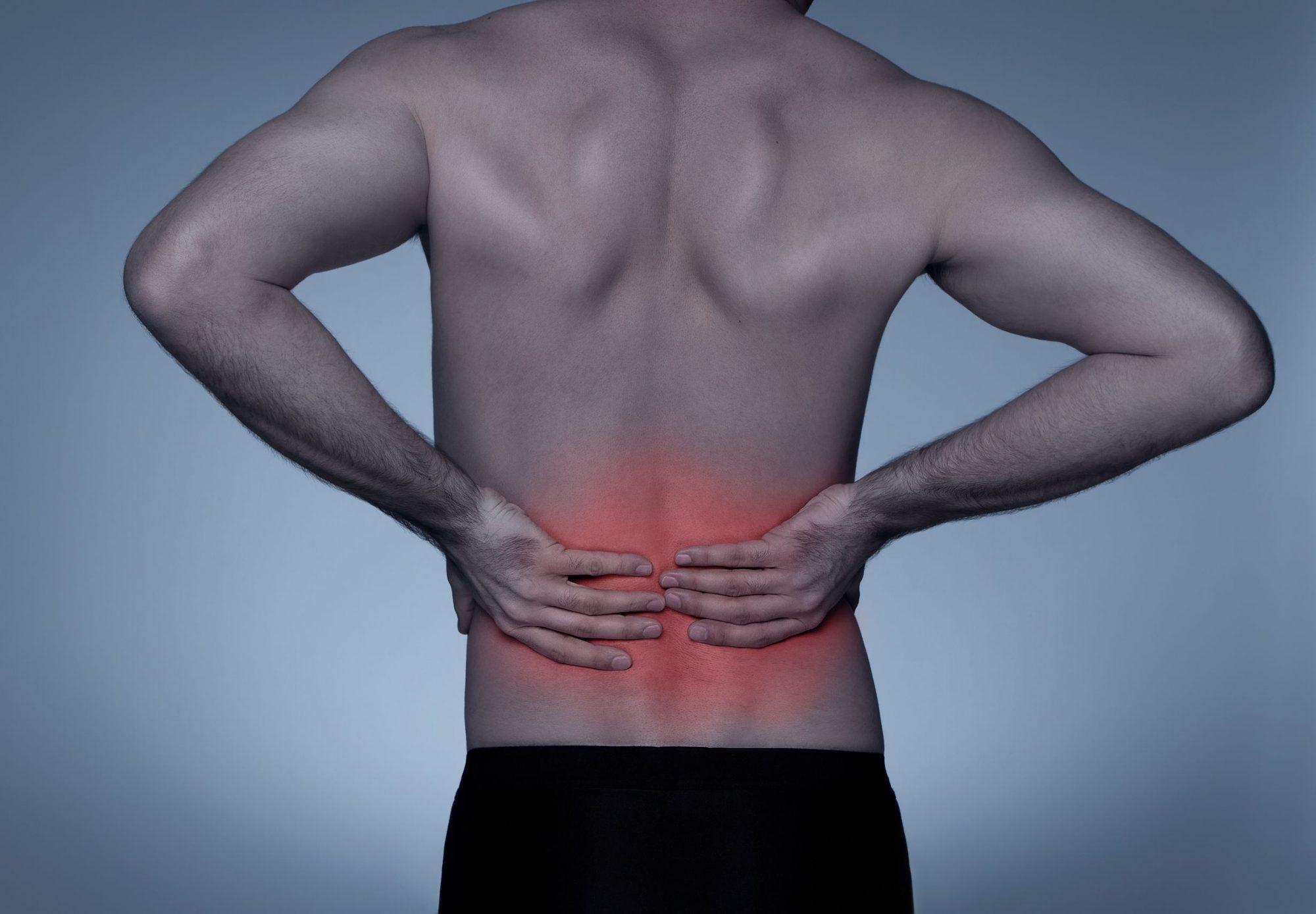
Where Symptoms Occur
Cervical vs. Lumbar Radiculopathy
Cervical Radiculopathy
Cervical radiculopathy occurs when a nerve root in the neck becomes compressed or irritated. Symptoms may begin in the neck and travel into the shoulder, arm, forearm, hand, or fingers.
Lumbar Radiculopathy
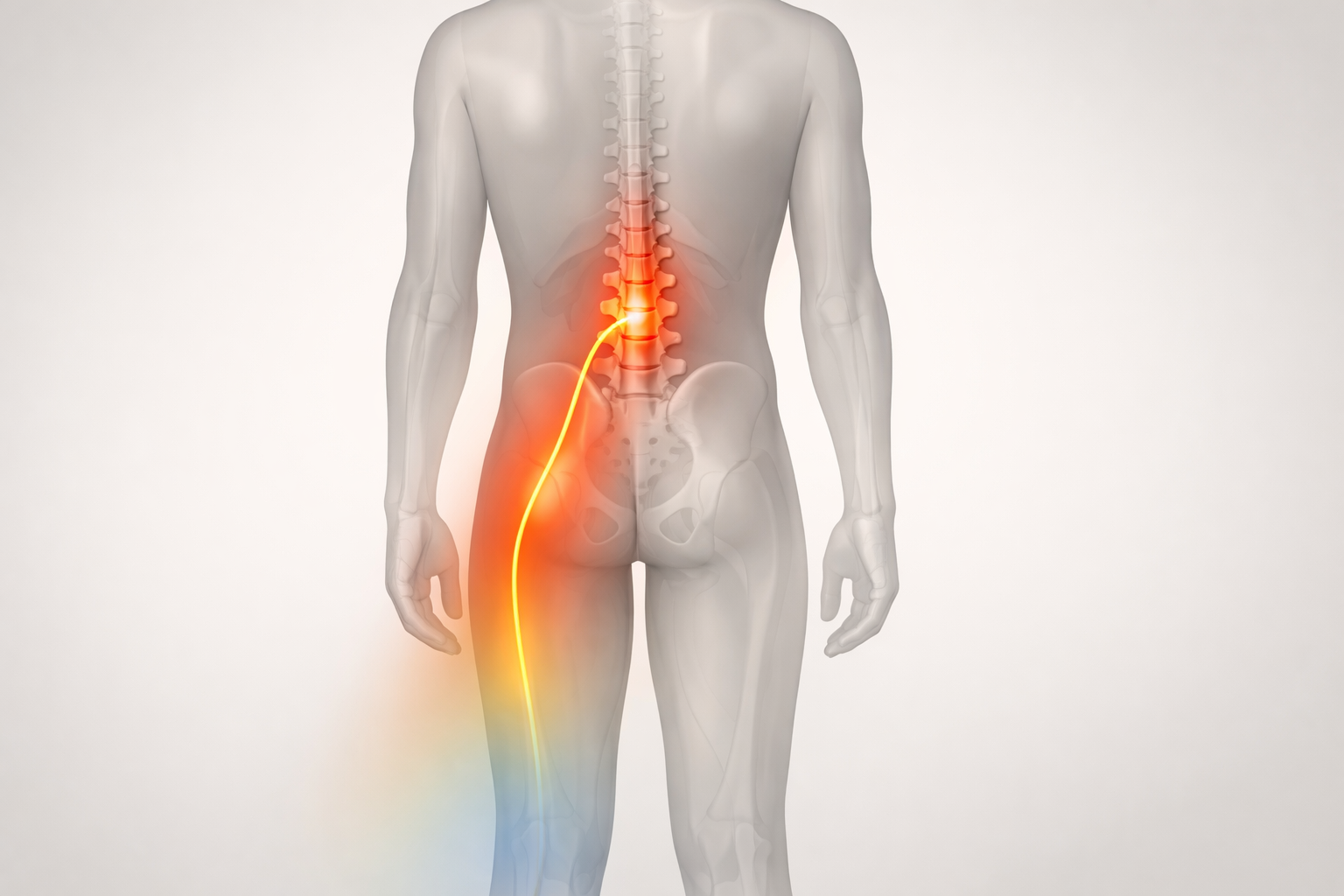
Lumbar radiculopathy occurs when a nerve root in the lower back becomes compressed or irritated. Symptoms may travel into the buttock, hip, thigh, lower leg, or foot. Sciatica is a common form of lumbar nerve-related pain.
Signs & Symptoms
Common Symptoms of Radiculopathy
Symptoms vary depending on which nerve root is affected and the severity of the irritation or compression.
Why It Happens
Common Causes of Radiculopathy
Radiculopathy usually develops when a structure in or around the spine places pressure on a nerve root or causes inflammation around the nerve.
- Herniated or bulging disc
- Degenerative disc disease
- Spinal stenosis
- Arthritis
- Bone spurs
- Facet joint degeneration
- Age-related changes in the spine
- Spinal injury or trauma
Diagnosis
Identifying the Affected Nerve
Diagnosing radiculopathy begins with a detailed review of your symptoms, including where your pain begins, where it travels, and whether you are experiencing numbness, tingling, or weakness. Your provider may also perform orthopedic and neurological testing to evaluate strength, sensation, reflexes, and range of motion.
Depending on your symptoms, diagnostic testing may include X-rays, MRI imaging, CT imaging, EMG/NCV testing, or other studies to identify nerve compression and determine the underlying cause.
Treatment Options
Personalized Radiculopathy Treatment
Treatment depends on which nerve is affected, what is causing the compression or irritation, and how significantly your symptoms are affecting daily activity. Many patients begin with conservative treatment before progressing to interventional or surgical care when necessary.
A Team Approach
From Diagnosis to Targeted Treatment
Radiculopathy can have several possible causes, which is why identifying the affected nerve and the source of compression is so important. ReVive Orthopedics takes a collaborative approach to evaluation and treatment.
Depending on your diagnosis, your care may involve a general orthopedic physician, physiatrist, interventional pain specialist, orthopedic spine surgeon, physician assistant, or nurse practitioner. Our goal is to match the treatment to the cause of your symptoms rather than treating pain alone.

Our Specialists
Meet the ReVive Care Team
Our orthopedic team works together to determine the most appropriate next step in care based on your diagnosis, symptoms, imaging, and individual goals.
Dr. Shevin Pollydore
Neck to Toe Orthopedic Care
Pain Management
Sports Medicine
Spine Procedures
Dr. Praveer Srivastava
Hip & Knee Surgeon
Total Joint Replacement
General Orthopedics
Dr. Matthew Igbinigie
Orthopedic Spine Surgeon
General Orthopedics
Spine Surgery
Physician Assistants
Provide Comprehensive Orthopedic Evaluations & Care
Related Conditions
Conditions That May Be Associated With Radicular pain
Ready to Find the Cause of Your Radiculopathy?
Schedule an orthopedic or spine evaluation with ReVive Orthopedics Spine & Sports Medicine and take the next step toward a personalized treatment plan.
Schedule an Appointment