
PRP Therapy & Regenerative Medicine in Atlanta, GA
Platelet-rich plasma (PRP) therapy and regenerative medicine are non-surgical treatment options that may be considered for certain joint, tendon, ligament, and musculoskeletal conditions.
At ReVive Orthopedics Spine & Sports Medicine, our providers evaluate the source of your pain, your diagnosis, imaging, activity level, previous treatments, and individual goals to determine whether PRP or another regenerative treatment may be appropriate for you.
Schedule an Appointment
What Is PRP Therapy?
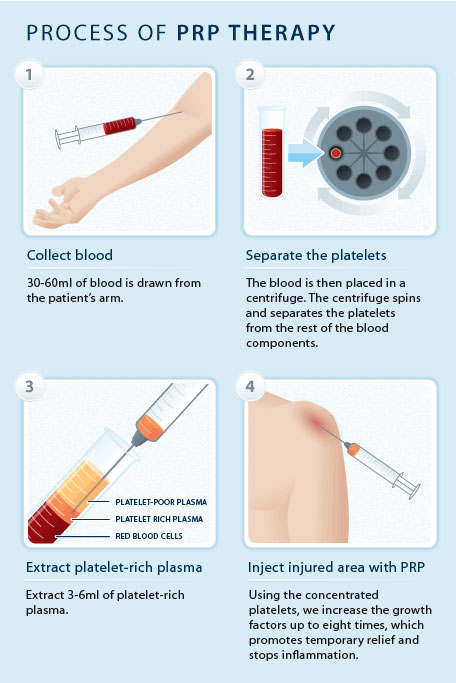
Platelet-rich plasma, commonly called PRP, is prepared using a small sample of the patient's own blood. The blood is processed to concentrate platelets, which contain proteins and growth factors involved in the body's natural healing response.
The concentrated platelet-rich plasma is then injected into the targeted area. PRP may be considered for certain orthopedic, sports medicine, joint, tendon, and soft-tissue conditions when clinically appropriate.
Because every injury and degenerative condition is different, PRP is not appropriate for every patient. An orthopedic evaluation can help determine whether PRP should be considered or whether another treatment option may be more appropriate.
What Conditions May Be Evaluated for PRP?
Depending on your diagnosis, physical examination, imaging, medical history, and individual circumstances, PRP may be considered as part of a treatment plan for certain musculoskeletal conditions.
Knee Pain
PRP may be considered for certain causes of knee pain, including some degenerative and overuse conditions.
Arthritis
Some patients with joint degeneration may be evaluated to determine whether PRP or another injection-based treatment may be appropriate.
Tendon Injuries
PRP may be considered for selected tendon injuries and chronic tendinopathy that have not improved with conservative treatment.
Sports Injuries
Athletes and active adults with certain soft-tissue injuries may be candidates for regenerative treatment options.
Shoulder Conditions
Selected shoulder and rotator cuff-related conditions may be evaluated for PRP when appropriate.
Elbow Pain
PRP may be considered for certain chronic tendon conditions such as tennis elbow.
Hip Pain
Certain musculoskeletal causes of hip pain may be evaluated for regenerative treatment as part of an individualized care plan.
Foot & Ankle Injuries
Selected tendon and soft-tissue injuries of the foot and ankle may be considered for PRP treatment.
How Does a PRP Injection Work?
Your provider will first evaluate the affected joint or soft tissue and determine whether PRP is appropriate for your condition.
A small amount of blood is drawn and processed to separate and concentrate the platelet-rich portion. The PRP is then injected into the targeted treatment area.
Depending on the location being treated, image guidance may be used to assist with accurate placement.
PRP is generally performed as an outpatient treatment. Your provider will discuss activity restrictions, follow-up care, and recovery expectations based on the area being treated and your individual treatment plan.
When Is PRP Therapy Considered?
PRP may be considered when pain, reduced function, or an injury continues despite appropriate conservative treatment, or when a provider determines that a regenerative approach may be reasonable for a particular condition.
Before recommending treatment, our team considers several factors, including:
- Your specific diagnosis
- Severity and duration of symptoms
- Physical examination findings
- X-rays, MRI, or other imaging when appropriate
- Previous treatments
- Your activity level
- Your personal treatment goals
- Your overall medical history
PRP Therapy vs. Stem Cell Therapy
The term regenerative medicine may be used to describe several different types of biologic treatments. PRP therapy and treatments marketed as stem cell therapy are not the same.
PRP uses components concentrated from a patient's own blood. Stem cell-based products may involve different types of biologic materials and are regulated differently.
Our providers can discuss the treatment being considered, available evidence, potential risks and benefits, alternative treatment options, and whether a regenerative treatment is appropriate for your particular condition.
Important Patient Information: Regenerative medicine treatments are not appropriate for every patient or condition. Stem cell-based products are subject to FDA regulation, and stem cell products have not been FDA-approved for the treatment of orthopedic conditions such as osteoarthritis, tendonitis, disc disease, or neck, back, hip, knee, and shoulder pain. Your provider can explain the specific treatment being considered, its regulatory status, potential risks, alternatives, and expected outcomes.
What Are the Goals of PRP Treatment?
The goal of PRP is to support the body's natural healing response in a targeted area while helping patients manage symptoms and improve function when appropriate.
Treatment response varies from person to person. PRP does not guarantee pain relief or tissue healing, and your provider will discuss realistic expectations based on your diagnosis.
Support Healing
PRP uses concentrated components from your own blood as part of a biologic treatment approach.
Reduce Pain
For selected conditions, PRP may be considered as part of a broader pain-management treatment plan.
Improve Function
The overall goal is to help patients return to daily activities and improve mobility when possible.
Explore Non-Surgical Options
PRP may provide another treatment option for selected patients seeking alternatives before considering surgery.
A Team Approach to Regenerative Medicine
At ReVive Orthopedics Spine & Sports Medicine, PRP or regenerative treatment may be one component of a larger treatment plan rather than a stand-alone solution.
Depending on your condition, your individualized treatment plan may include:
- Activity modification
- Physical therapy
- Anti-inflammatory medication when appropriate
- Joint injections
- PRP therapy
- Regenerative medicine
- Advanced pain management
- Minimally invasive procedures
- Orthopedic surgery when appropriate
Our goal is to identify the source of your symptoms and recommend treatment based on your diagnosis, lifestyle, function, and long-term goals.
Conditions That May Benefit From an Orthopedic Evaluation
Shoulder Pain
Arthritis
Rotator Cuff Injuries
Tendon Injuries
Sports Injuries
Hip Pain
Tennis Elbow
Our Specialists
Meet the ReVive Care Team
Our multidisciplinary team evaluates each patient individually to determine whether PRP, regenerative medicine, or another orthopedic treatment may be appropriate.
Dr. Shevin Pollydore
Neck to Toe Orthopedic Care
Pain Management
Sports Medicine
Spine Procedures
Dr. Praveer Srivastava
Hip & Knee Surgeon
Total Joint Replacement
General Orthopedics
Dr. Matthew Igbinigie
Orthopedic Spine Surgeon
General Orthopedics
Spine Surgery
Physician Assistants
Provide Comprehensive Orthopedic Evaluations & Care
Interested in PRP or Regenerative Medicine?
Find out whether PRP or another orthopedic treatment may be appropriate for your condition.
Schedule an evaluation with ReVive Orthopedics Spine & Sports Medicine and receive a personalized treatment plan based on your symptoms, diagnosis, imaging, and goals.
Schedule an Appointment